
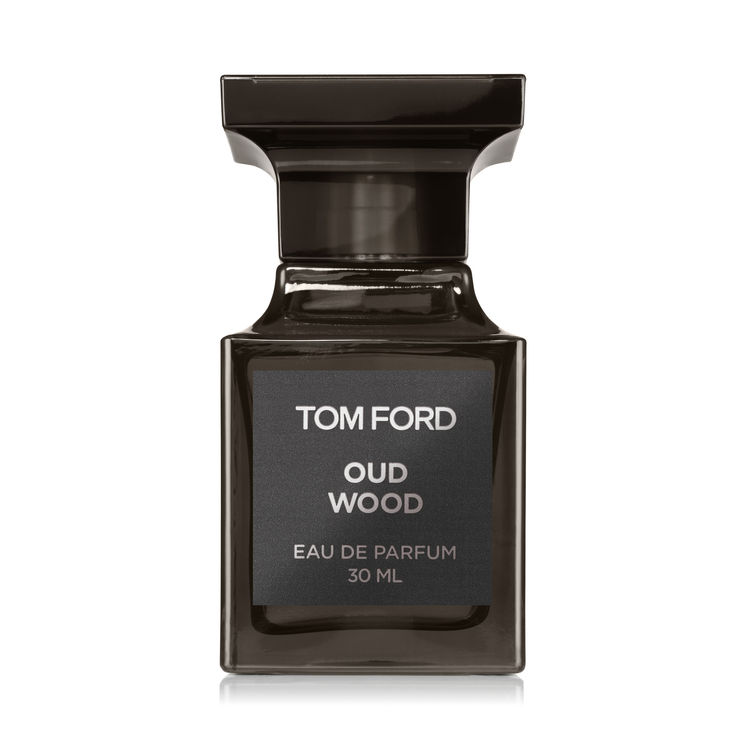
I spent years admiring Tom Ford Oud Wood from a distance before I finally invested in a bottle. Like many fragrance enthusiasts, I was captivated by its seamless blend of crisp cardamom, creamy Mysore-style sandalwood, and that famously civilized, highly wearable interpretation of oud. It smelled sophisticated, curated, and effortlessly refined.
The dilemma, however, wasn't the scent itself—it was the fleeting nature of the experience.
Judging by the discourse across high-end fragrance communities, this sentiment is universal. Over the last few years, veteran collectors on Basenotes, dedicated fragrance forums, and discerning curators have been engaged in an ongoing exploration of the "clean oud" genre. The conversation has evolved far beyond merely replacing a luxury staple; it is about finding expressions of this DNA that offer superior structural integrity, distinct stylistic twists, or a return to the rich depth that modern reformulations sometimes lack.
As one collector on Basenotes aptly noted:
"The core DNA is a modern masterpiece, but the composition requires a canvas that lasts. That is what drives us to look at how other houses interpret this structure."
After months of comparative structural testing, side-by-side skin wear, and analyzing fragrance architecture, I discovered that the most compelling expressions of this genre aren't necessarily the ones dominating mainstream social media.
Here are four sophisticated fragrances that offer brilliant, distinct interpretations of the refined woody-oud profile.
1. Versace Pour Homme Oud Noir: The Mediterranean Subversion
When discussing the refined oud genre, heavy, resinous Middle Eastern profiles often dominate the conversation. Yet, Versace Pour Homme Oud Noir consistently emerges as a favorite among collectors who appreciate structural nuance.
Rather than trying to replicate the linear warmth of Tom Ford, Oud Noir introduces a brilliant stylistic contrast. The opening features a bright, bitter orange and neroli flash that immediately injects a classic Italian sophistication into the composition. As it settles, the true artistry reveals itself: the transition into smooth woods, soft spices, and a remarkably clean leather-oud accord captures the exact same upscale, effortless atmosphere as Oud Wood, but with an entirely different energy.
One fragrance connoisseur described it perfectly:
"It doesn't mimic; it adapts. It’s as if the classic Western oud DNA took a coastal Italian vacation."
By utilizing a major designer house's polished blending capabilities, Oud Noir avoids the harshness found in mass-market alternatives. It offers a brighter, highly versatile alternative that stands proudly on its own merits.
2. Lattafa Qaa'ed Al Shabaab: The Brutalist Interpretation
If the original Tom Ford composition is a tailored silk suit, Lattafa Qaa'ed Al Shabaab is a sharp, architectural statement piece.
Where modern iterations of the clean wood profile can feel overly polite or fleeting, Qaa'ed Al Shabaab leans into raw presence. This fragrance does not aim for a delicate, powdery finish; it is darker, more muscular, and wonderfully assertive. The cedarwood note is amplified, the leather accord is cast in sharp relief, and the underlying oud accord projects with immense structural confidence.
A notable fragrance reviewer described the experience as:
"The familiar wood-and-spice DNA, but with the volume turned up and the edges left intentionally textured."
For collectors who find Oud Wood too subdued for evening wear or colder climates, this composition offers the profound longevity and sillage they've been craving. It sacrifices a bit of the original's creamy gentleness to deliver a powerful, commanding olfactive profile.
3. Alexandria Fragrances Agar: The Archival Preservation
Among hardcore fragrance purists, Alexandria Fragrances Agar occupies a revered space. It exists not to subvert the genre, but to preserve its finest era.
While many independent houses attempt to capture the notes of Oud Wood, they often miss the tactile sensation. Agar succeeds precisely where others fail: the texture. From the initial spray, the velvety, almost buttery sandalwood texture that defined early batches of the Tom Ford original is fully realized. The cardamom feels organically green, and the precious woods unfold with a luxurious, understated cadence.
Collectors frequently compare Agar to vintage, first-edition bottles of Oud Wood. As one enthusiast observed:
"Most compositions can mimic the ingredient list, but Agar captures the density and depth of the original formulation from a decade ago."
For the purist seeking to experience the smooth, uncompromised essence of the classic woody-oud profile without the restraint of modern commercial reformulations, Agar is a masterclass in olfactory recreation.
4. Dunhill Icon Absolute: The Executive Evolution
The most sophisticated surprise in this olfactory landscape is Dunhill Icon Absolute. It does not attempt to shadow Oud Wood; instead, it takes the core philosophy of a "clean, professional oud" and moves it into the realm of classic British tailoring.
Icon Absolute introduces a sharp, invigorating black pepper top note, balanced by the opulent warmth of saffron and a calming stroke of English lavender. The result is an incredibly poised, masculine composition that feels distinctly business-minded.
A forum member summarized the aesthetic beautifully:
"If Oud Wood is designed for intimate, velvet-jacket evenings, Icon Absolute is engineered for the boardroom and a bespoke suit."
It is a magnificent example of how an accord can be recontextualized. It feels composed, mature, and fiercely professional—housed in a heavy, machined-metal gold flask that mirrors the structural integrity of the juice inside.
The Art of Maturation: A Collector’s Secret
Throughout the high-end fragrance community, a crucial piece of advice emerges regarding complex, wood-heavy compositions: patience.
Many artisanal and regional fragrances require a period of post-purchase maturation. Once oxygen is introduced to the bottle via the first few sprays, the alcohol stabilizes, and the heavier molecules—like oud, amber, and sandalwood—begin to integrate seamlessly.
"Never judge a complex woody fragrance on day one," notes an experienced collector. "Let the bottle breathe for a few weeks, and the harshness dissolves into pure, creamy depth."
Final Thoughts
The evolution of the refined oud accord proves that the fragrance community is no longer interested in mere copies. True enthusiasts aren't looking for a "cheap substitute"—they are seeking a specific feeling or an elevated performance standard.
Whether you prefer the bright, Mediterranean nuance of Versace Oud Noir, the commanding structural depth of Lattafa Qaa'ed Al Shabaab, the vintage accuracy of Alexandria Agar, or the professional poise of Dunhill Icon Absolute, the lesson is clear: a great fragrance DNA is not a monopoly. It is a genre, open to beautiful, diverse, and masterful interpretation.


0 Comments